
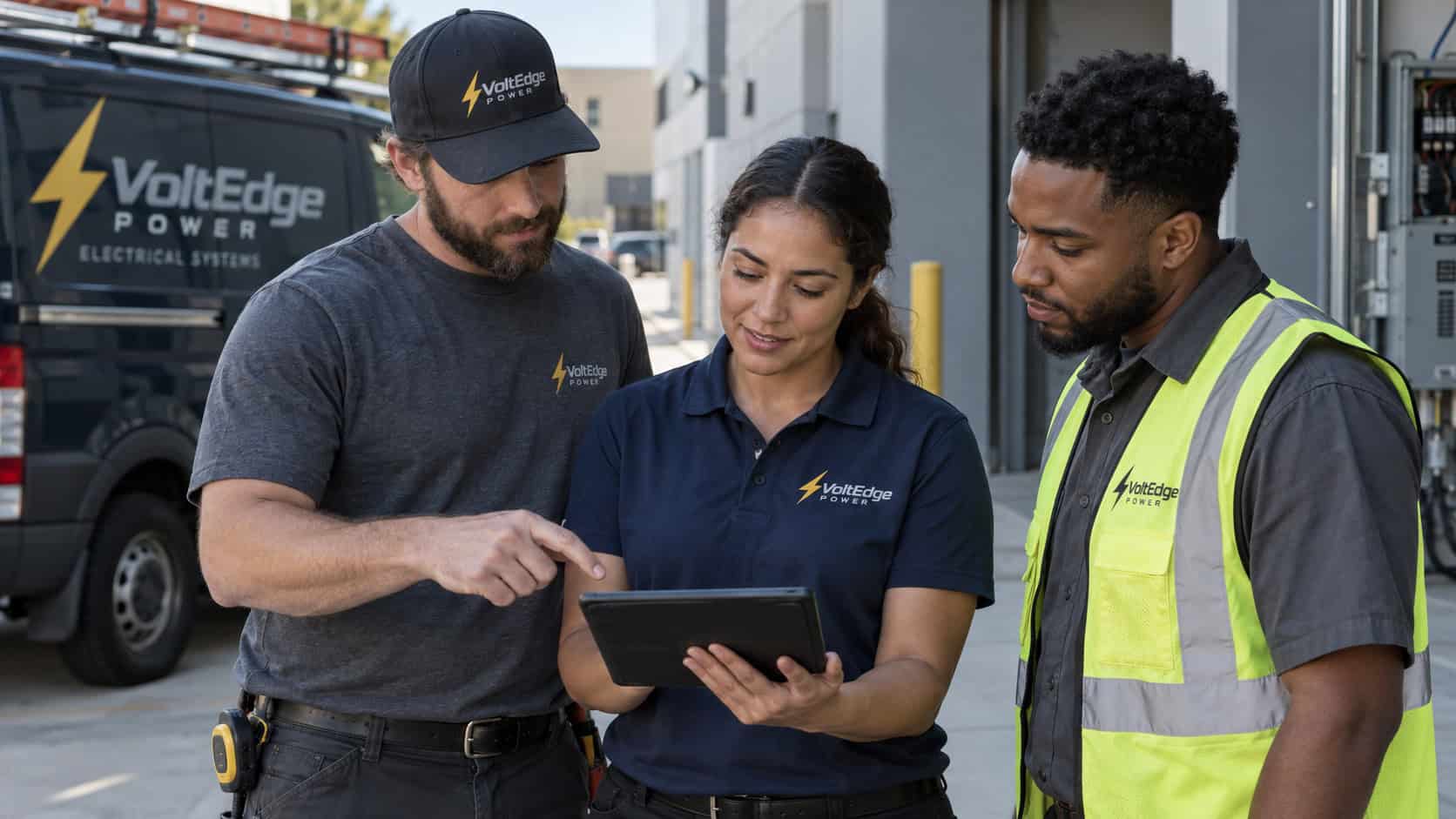
Good electrician uniforms have to solve more than one problem. A field technician needs clothing that is comfortable enough for ladders, crawl spaces, service panels, driving and repeated movement. A service electrician entering a customer’s home or business also needs to look identifiable and professional. Supervisors, estimators and project managers may need a cleaner uniform option for meetings and site visits.
The best electrical contractor uniform program usually is not one shirt for every employee. It is a small, repeatable system built around employee roles, work conditions, company branding and the safety requirements of the actual job.
This guide explains how electrical contractors can choose work shirts, embroidered polos, high-visibility apparel, seasonal layers, logo placement and decoration methods without confusing normal branded apparel with electrical personal protective equipment.
Quick Answer: What Should Electricians Wear as a Company Uniform?
For many electrical contractors, a practical uniform system combines printed work shirts for everyday field use, embroidered polos for customer-facing or supervisory roles, appropriate high-visibility apparel where the work environment calls for it, and branded seasonal layers. Keep colors, logo placement and approved garments consistent so replacements and new-hire orders are easy to repeat. Any arc-rated, flame-resistant or other electrical protective clothing should be selected separately according to the employer’s hazard assessment and safety program.
Electrician Uniforms Are Not the Same as Electrical PPE
This distinction should come before color, logo placement or decoration.
OSHA’s construction PPE requirements state that protective equipment must be appropriate for the work and properly fit affected employees. OSHA’s construction electrical requirements also address protection when employees could be exposed to energized electrical circuits. For general-industry environments, OSHA similarly requires employees working around potential electrical hazards to use electrical protective equipment appropriate for the work. Review OSHA 1926.95, OSHA 1926.416 and OSHA 1910.335 for the applicable federal requirements.
A standard company polo, printed T-shirt, hoodie or branded visibility vest should not automatically be treated as electrical PPE. If your work requires arc-rated clothing, flame-resistant clothing, dielectric equipment or another specialized protective garment, choose the compliant safety garment first and verify that any decoration is suitable for that garment and your safety program.
Safety Note: Branding should never reduce the protection required for the task. Do not assume a garment is arc-rated, flame-resistant, ANSI-compliant or otherwise protective because of its color, reflective trim, product name or the presence of a company logo. Confirm the applicable safety requirements before selecting decorated apparel.
Build an Electrician Uniform System Around Employee Roles
Electrical companies often have several different types of employees wearing the same logo. Giving everyone identical apparel can sound simple, but it may not fit the work.
A service technician moving between a van, mechanical room and customer property has different needs from an estimator meeting a property manager. A foreman spending part of the day on a commercial jobsite may need another combination.
| Role | Practical Uniform Approach | Branding Priority |
|---|---|---|
| Service electrician | Durable work shirt or tee, optional polo, seasonal layer | Clear company identification during customer visits |
| Installation / field crew | Work shirts selected for mobility, weather and jobsite conditions | Easy crew recognition and consistent branding |
| Foreman / supervisor | Work shirt plus embroidered polo or professional outerwear | Professional appearance across field and client-facing work |
| Estimator / project manager | Embroidered polo, jacket or other polished company apparel | Clean presentation during estimates, walkthroughs and meetings |
| Office / dispatch | Polo, company tee or coordinated casual apparel | Keep office and field branding visually connected |
Best for: Electrical contractors that want different garments for different jobs without making the company look like five unrelated teams.
The same principle is used in a well-organized small business uniform program: standardize a manageable set of garments, colors, logo locations and decoration methods instead of ordering something different every time an employee needs a shirt.
What Makes a Good Electrician Work Shirt?
An electrician work shirt should be selected for the actual workday, not just from a catalog photo.
1. Mobility
Electricians routinely reach overhead, kneel, climb, carry tools and work in confined areas. Shirts should allow normal movement without constant pulling, binding or excessive loose fabric.
2. Comfort for the Work Environment
Indoor service calls, unfinished commercial buildings, outdoor installations and hot mechanical spaces can create very different comfort requirements. Garment weight and construction should match where employees spend most of their time.
3. Repeat-Wash Practicality
Field uniforms are not occasional event apparel. They may be washed several times a week. Choose garments and decoration with repeat use in mind, then give employees clear care instructions. C2W’s guide to washing embroidered and printed work shirts covers care considerations for decorated uniforms.
4. Size Availability
A uniform style is much easier to manage when it works across the size range your team actually needs. Collect employee sizes before ordering instead of estimating them. The employee uniform sizing guide provides a more complete process for team sizing.
5. Reorder Consistency
For a growing electrical contractor, repeatability matters. A dependable core shirt makes it easier to outfit apprentices, replacements and new technicians without redesigning the uniform program every few months.
T-Shirts vs. Polos vs. Hi-Vis Apparel for Electrical Contractors
No single garment wins every role. The right choice depends on the employee, customer environment and jobsite requirements.
| Garment | Best For | Branding Approach | Watch For |
|---|---|---|---|
| Printed T-shirt | Daily field wear, installers, helpers and active crews | Left chest, full back or both | Fabric weight, climate and required PPE |
| Embroidered polo | Service technicians, estimators, managers and customer meetings | Usually clean left-chest embroidery | Avoid making small logo details unreadable |
| High-visibility garment | Work environments where visibility apparel is appropriate | Logo positioned without interfering with required garment features | Verify the specific safety requirement before ordering |
| Hoodie / jacket | Cold-weather travel, exterior work and general layering where appropriate | Left-chest embroidery or printing depending on garment | Outer layers must also fit the safety requirements of the task |
Electrical contractors working through seasonal temperature changes can also use C2W’s cold-weather work uniform guide to plan company hoodies, jackets and winter layers.
Embroidery, DTF or Screen Printing: Which Decoration Works Best?
The decoration method should follow the garment and the logo. Electrical contractors often benefit from using more than one method across the same uniform program.
| Method | Strong Uses | Considerations |
|---|---|---|
| Embroidery | Polos, jackets, professional workwear and smaller chest logos | Very fine text and intricate details may need simplification |
| DTF / full-color printing | Detailed logos, multi-color designs and printed work shirts | Placement and garment compatibility should be reviewed before production |
| Screen printing | Repeated T-shirt orders, bold designs and larger back graphics | Economics and suitability depend on design, colors and order quantity |
A common electrical-contractor setup is embroidered polos for supervisors and estimators, with printed T-shirts for everyday crew wear. That keeps the presentation polished without forcing the same decoration method onto every garment.
For a deeper comparison, see C2W’s guide to embroidery vs. screen printing for business apparel or review the current custom apparel decoration services.
Artwork Tip: Do not shrink a complicated electrical-company logo until every tagline and small line technically fits. Embroidery has physical limits. A simplified left-chest version of the logo may look much cleaner than forcing tiny lettering into thread.
If your logo contains fine text or small details, review how small embroidery can be and the C2W guide to logo file types for embroidery and printing before finalizing the uniform design.
Best Logo Placement for Electrician Shirts
Electrician uniforms often benefit from two different branding goals: close-range identification and distance visibility.
Left Chest
A left-chest logo is a strong choice for polos, jackets and professional work shirts. It remains visible during conversations without dominating the garment.
Best for: Service technicians, estimators, supervisors and customer-facing roles.
Full Back
A larger back design can make sense for printed field shirts when technicians are moving through commercial sites, apartment properties, construction areas or other locations where customers and other trades may see them from a distance.
Keep back graphics readable. A company name or bold mark usually works better than trying to turn the shirt into a business card filled with tiny text.
Employee Name or Role
For residential and commercial service companies, adding an employee name or clearly defined role can improve identification when appropriate. The information should support the uniform rather than making every shirt visually crowded.
Sleeve Branding
A sleeve can hold a secondary mark or small brand element, but it should be treated as supporting placement rather than the primary identifier.
See the complete C2W guide to logo placement on business apparel for more placement options.
Choose Uniform Colors for Consistency, Not Just Preference
A growing electrical company can quickly end up with five versions of “company blue” if each order is placed independently.
Choose one or two approved core colors and document them. Good business-uniform colors often include navy, black, charcoal, gray and other shades that coordinate with the company identity, but the best choice depends on the brand and working environment.
Keep safety-related color decisions separate from normal branding decisions. A bright garment color does not by itself prove that an item satisfies a particular visibility or electrical-safety requirement.
Current C2W Products That Fit an Electrical Contractor Uniform Program
The current Custom 2 Wear B2B catalog includes several pieces that fit different parts of an electrician uniform system. These should be selected according to employee role and work environment rather than issued automatically to everyone.
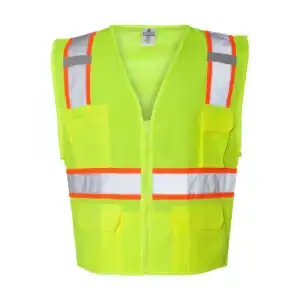
Custom Logo Safety Vest – Kishigo Ultra-Cool Reflective Work Vest
The current Kishigo custom logo safety vest can provide a branded visibility layer for crews where that type of garment is appropriate.
Best for: Jobsite identification and visibility applications where the employer has determined that this specific type of garment is suitable.
Important: Do not treat a standard decorated visibility vest as arc-rated electrical PPE. Electrical hazards and required clothing must be evaluated separately.
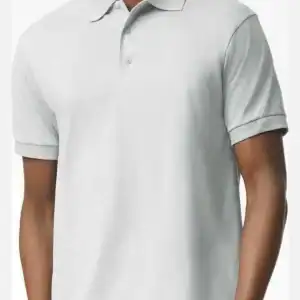
Custom Embroidered Polo Shirt – Gildan DryBlend 8800
The current Gildan DryBlend 8800 embroidered polo is positioned in the C2W catalog for work uniforms and branded apparel.
Best for: Estimators, supervisors, service technicians and managers who need a more polished company shirt for customer-facing work.
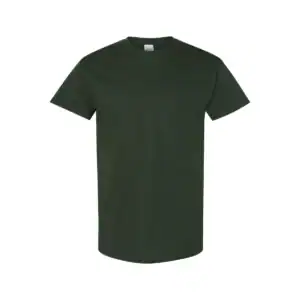
Custom Heavyweight T-Shirt – Gildan 5000
The current Gildan 5000 custom heavyweight T-shirt provides a straightforward printed-shirt option for everyday branded apparel.
Best for: General company and crew shirts when a printed T-shirt is appropriate for the work environment.
-
Custom Embroidered Polo Shirt – Gildan DryBlend® 50/50 Blend Jersey Polo 8800 to Pinterest (opens in a new window)
-
Custom Heavyweight T-Shirt – Gildan 5000 | 100% Cotton Custom Print Tee to Pinterest (opens in a new window)
-
Custom Logo Safety Vest – Kishigo Ultra-Cool Reflective Work Vest to Pinterest (opens in a new window)
Businesses comparing additional options can also browse C2W’s custom workwear, custom embroidered polos and logo T-shirts.
Building a Uniform System for More Than One Electrical Crew?
Standardize the garments, colors, decoration and logo placement before the next new hire or replacement order creates another variation. Custom 2 Wear can review the roles on your team and help narrow the program to practical options.
Next step: Request a custom apparel quote.
How Many Electrician Uniform Shirts Should You Order?
There is no universal quantity that works for every electrical company. Start with the laundry cycle and employee schedule.
A practical planning question is: How many workdays should an employee be able to cover before clean uniforms become a problem?
For many full-time field employees, three to five core company shirts can be a reasonable starting planning range, then adjust for:
- How many days per week the employee works
- How dirty or physically demanding the work is
- How frequently uniforms are washed
- Seasonal changes
- Whether employees need both field shirts and customer-facing polos
- How quickly replacements are normally required
Do not order the same package simply because every employee is on the payroll. A dispatcher, estimator and field installer may need different quantities.
If budgeting is the primary concern, the C2W employee uniform cost guide breaks down the variables that affect an overall uniform budget.
A Practical Electrician Uniform Package by Role
Here is one way an electrical contractor could organize a program without creating too many garment choices.
Field Service Technician
- Core branded work shirts for the normal workweek
- One or more polos if technicians regularly perform estimates or polished customer-facing visits
- Approved seasonal layer for cooler conditions
- Visibility apparel when required and appropriate for the worksite
Installation Crew or Apprentice
- Standard company work shirt
- Seasonal company layer where appropriate
- Role-appropriate visibility or safety apparel based on the jobsite
Foreman or Supervisor
- Core work shirts for active field time
- Embroidered polo for meetings, walkthroughs and customer interaction
- Professional branded outerwear where appropriate
Estimator or Project Manager
- Embroidered polo as the main uniform piece
- Coordinated jacket or outer layer
- Optional field shirt for days spent in active work environments
The point is not the exact item count. The point is to create a small uniform system that matches each employee’s job while keeping the entire company visually consistent.
Plan for Residential Service Calls Differently Than Large Jobsites
Electrical contractors often work in both environments, and the apparel priorities change.
Residential Service
Identification matters immediately when an employee approaches a home. A clean company shirt with a readable logo helps the technician look like an identifiable representative of the business rather than an unknown visitor.
Polos or clean branded work shirts can be especially useful for electricians who diagnose problems, explain repairs and discuss options directly with homeowners.
Commercial Service
Commercial technicians may move between customer-facing areas, equipment rooms, warehouses and other work zones. A uniform program should balance professional identification with the requirements of the location.
Construction and Installation Jobsites
Jobsite rules, visibility requirements and other PPE considerations may take priority over normal branding. Start with the safety requirements and then determine what branded apparel is appropriate around them.
Electrical contractors with significant new-construction work may also find the C2W construction company uniform guide useful. Companies with technician-heavy service operations can compare the role-planning approach in the HVAC company uniform guide.
Standardize Artwork Before the First Reorder
A uniform program becomes much easier to manage when the company records what was actually approved.
Keep a simple uniform specification that includes:
- Approved garment names or style numbers
- Approved garment colors
- Logo version used on each garment
- Decoration method
- Logo size and placement
- Thread or print colors where relevant
- Employee size records
- Which roles receive which apparel
This is particularly helpful when hiring apprentices, replacing worn shirts or adding another service crew. The goal is to reorder the established uniform rather than recreate it.
Before submitting artwork, review the current C2W Artwork, Setup & Decoration Policy for how artwork and garment decoration are handled.
Ordering Tip: Treat your first successful electrician uniform order as the template for future hires. Record the garment, color, logo version, placement and decoration method while the details are fresh. That small step prevents gradual brand inconsistency as the company grows.
Electrician Uniform FAQs
What are the best uniforms for electricians?
The best electrician uniforms depend on the employee’s role and work environment. Many electrical contractors use printed work shirts for daily field crews, embroidered polos for supervisors, estimators or customer-facing technicians, and approved seasonal or high-visibility layers where appropriate. Safety-required PPE should be selected separately based on the hazards of the work.
Should electricians wear embroidered polos or printed work shirts?
Both can fit the same company uniform program. Embroidered polos work well for estimators, supervisors and polished customer-facing roles, while printed work shirts are practical for everyday crew apparel and larger back designs. The garment and decoration method should match how the employee actually works.
Where should a company logo go on an electrician shirt?
A left-chest logo is a common professional choice for polos, jackets and work shirts. Printed crew shirts can also use a larger back design for visibility at customer locations or jobsites. Once the company chooses a placement system, keeping it consistent makes future orders easier.
Can a regular branded work shirt be used as arc-rated electrical PPE?
No assumption should be made that ordinary branded apparel is arc-rated or otherwise suitable as electrical PPE. Employers should determine required protective clothing from the applicable hazard assessment and safety requirements, then verify that the selected garment and any decoration are appropriate.
How many work shirts should an electrical company provide per employee?
The right number depends on work schedule, laundry frequency, job conditions and employee role. Three to five core shirts can be a practical starting planning range for many full-time field employees, but companies should adjust the quantity to their operation rather than use a fixed number for every employee.
How can an electrical contractor keep uniforms consistent as the company grows?
Standardize a small group of approved garments, colors, logo versions, decoration methods and placements. Keep employee sizes and approved product details on record so new-hire and replacement orders can follow the same specifications instead of starting over each time.
Build an Electrician Uniform Program That Is Easy to Repeat
The strongest electrician uniform program is not the one with the most garment choices. It is the one your company can use consistently.
Choose core apparel around employee roles. Separate ordinary branded clothing from required safety equipment. Keep company colors and logo placement consistent. Use embroidery where a polished smaller mark makes sense and printing where larger or more detailed designs work better. Then document the approved setup so the next technician, apprentice or project manager can be outfitted without starting from zero.
Custom 2 Wear helps businesses and contractors choose garments, decoration methods and logo placements around how their teams actually work. Explore the current custom apparel services or request a custom apparel quote to plan an electrical-contractor uniform order.