
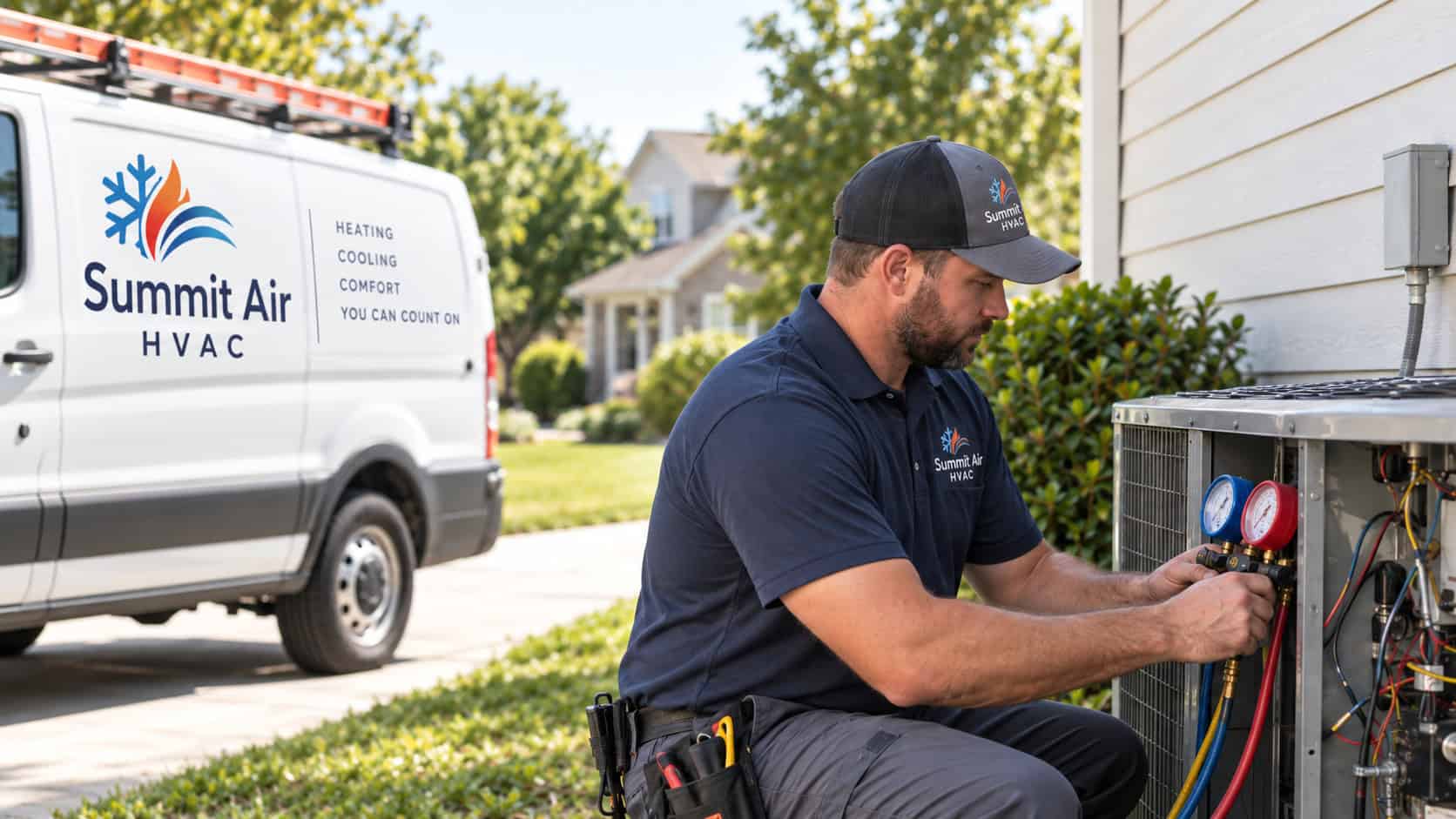
HVAC company uniforms have to handle two very different parts of the job: physical work and customer-facing service. A technician may spend part of the day moving through mechanical rooms, crawlspaces, outdoor equipment areas, or buildings with uncomfortable temperatures, then walk directly into a homeowner’s kitchen or a commercial customer’s office.
That makes uniform planning more complicated than choosing one shirt, adding a logo, and ordering the same garment for everyone. A practical HVAC uniform program should account for employee role, working conditions, season, garment durability, decoration method, sizing, replacement needs, and the professional image customers see during a service call.
This guide explains how HVAC contractors and service companies can build a more useful uniform system around technicians, installers, estimators, supervisors, and office staff. For a broader framework covering standardized employee kits and repeat ordering, see our small business uniform program guide.
Quick Answer: What Should HVAC Technicians Wear?
Most HVAC companies benefit from a small uniform system rather than one universal shirt. A practical starting point is a breathable branded polo or work shirt for customer-facing service calls, printed T-shirts for more physical installation work, branded hats where appropriate, and seasonal layers for cooler conditions. Choose decoration and garment construction around the actual employee role instead of forcing every position into the same apparel.
Why HVAC Company Uniforms Need to Be Planned Around the Workday
The U.S. Bureau of Labor Statistics notes that heating, air-conditioning, and refrigeration technicians may work indoors or outdoors, in cramped or awkward spaces, and in buildings where the heating or cooling system is not operating properly. Technicians also make service calls at customer locations.
Those working conditions create several competing uniform priorities:
- Comfort: employees need clothing they can move in through physically active work.
- Heat management: garment weight and moisture management become important during hot-weather service and installation work.
- Professional appearance: technicians routinely enter homes, offices, schools, and other customer properties.
- Durability: work apparel will usually be washed frequently and may encounter dirt, dust, grease, equipment, and tools.
- Brand consistency: logos, colors, employee names, and garment styles should remain recognizable across technicians and seasons.
- Repeat ordering: new hires and replacement garments should not require rebuilding the uniform program every time.
The best approach is therefore usually a small approved uniform system: a few repeatable garments selected for specific employee roles.
Best HVAC Uniform Options by Employee Role
| Employee Role | Strong Starting Option | Main Priorities | Typical Branding Approach |
|---|---|---|---|
| Service technician | Performance or blended polo | Professional appearance, movement, moisture management | Embroidered left-chest logo; optional employee name |
| Installation crew | Branded work T-shirt | Movement, comfort, frequent washing, visibility | DTF or screen-printed front/back design |
| Estimator / comfort adviser | Embroidered polo | Polished customer-facing presentation | Clean left-chest embroidery |
| Supervisor / owner | Polo plus seasonal layer | Professional flexibility across office and field | Consistent embroidered company mark |
| Warehouse / shop employee | Printed work T-shirt | Comfort, durability, straightforward replacement | Printed company logo |
Service Technicians: Start With a Professional Work Polo
Service technicians spend a significant part of their day representing the company inside customer properties. A branded polo can create a more structured appearance than a basic T-shirt while still allowing technicians to move comfortably.
For warm or active environments, look at factors such as garment weight, moisture-management properties, fit, collar construction, and wash durability rather than choosing purely by appearance. Our guide to breathable work shirts with a company logo goes deeper into warm-weather garment selection.
Best for: Service technicians, maintenance technicians, estimators, supervisors, and employees who regularly interact with customers.
Installation Crews: Printed Work T-Shirts Can Make More Sense
An installer doing equipment replacement, duct work, or other physically demanding tasks may value freedom of movement and a straightforward washable work shirt more than a structured polo.
A printed T-shirt also provides more usable design area. HVAC companies that want a small company logo on the front and a larger brand mark, phone number, service message, or graphic on the back can often accomplish that more naturally with printing than embroidery.
Best for: Install crews, warehouse employees, shop staff, helpers, and physically active field employees.
Estimators, Sales Staff, and Owners: Keep the Presentation Cleaner
Employees who primarily meet property owners, facility managers, or commercial clients may not need the same garment as an installer. An embroidered polo with a restrained logo often fits these roles well because the uniform looks deliberate without becoming overly formal.
This is a good example of why an HVAC business does not need every employee to wear an identical garment. Consistent colors and branding can connect the team even when the garment changes by job function.
Polos vs. T-Shirts vs. Seasonal Layers for HVAC Teams
| Garment | Best Use | Advantages | Watch For |
|---|---|---|---|
| Performance/blended polo | Service calls and customer-facing roles | Structured appearance with practical workwear options | Fabric feel, fit, snagging potential, embroidery suitability |
| Printed T-shirt | Installers, shop crews, active field work | Large print area and simple everyday uniform option | Fabric weight, print size, repeated washing |
| Long-sleeve polo or work shirt | Cooler seasons or more covered appearance | Additional coverage with professional styling | Heat, layering, sleeve mobility |
| Hoodie or jacket | Cool weather, early mornings, outdoor calls | Extends branding beyond the base shirt | Bulk, layering fit, decoration placement |
| Branded cap | Outdoor and casual field roles where headwear is appropriate | Highly visible additional brand element | Crown style, logo detail, employee preference |
Ordering Tip
Do not build an HVAC uniform program around whichever shirt happens to be available when someone needs a replacement. Choose a small approved garment list, record the exact styles and colors, and use those standards for new hires and reorders. That reduces brand drift and makes replacement ordering easier.
Embroidery, DTF, Screen Printing, or Leather Patches?
The decoration method should follow the garment, logo, quantity, appearance, and intended use. Custom 2 Wear offers embroidery, printing, and specialty apparel decoration services, and no single method is the right answer for every part of an HVAC uniform program.
| Decoration | Strong HVAC Uses | Why Buyers Choose It | Important Considerations |
|---|---|---|---|
| Embroidery | Polos, jackets, hats | Structured, dimensional company-logo presentation | Very small lettering and fine detail may need simplification |
| DTF / full-color printing | Work T-shirts, detailed or multicolor artwork | Useful for detailed artwork and flexible print quantities | Print size and placement should suit the garment and work role |
| Screen printing | Larger runs of crew T-shirts | Well suited to repeat designs across larger quantities | Artwork colors, setup, quantity, and design complexity matter |
| Leather patch | Trade-oriented branded headwear | Distinctive workwear aesthetic | Hat construction, patch dimensions, artwork, and attachment method must work together |
For a deeper method comparison, see embroidery vs. screen printing for business apparel.
Where Should the Logo Go on an HVAC Uniform?
The traditional left chest remains useful because it identifies the company without covering a large portion of the shirt. But HVAC businesses often need more information than a logo alone.
Useful placement combinations include:
- Left chest: company logo.
- Opposite chest: technician name or role when appropriate.
- Full back: larger company branding on printed installer or crew shirts.
- Sleeve: secondary branding or a simple supporting mark.
- Hat front: simplified company logo, embroidery, or suitable patch design.
Do not shrink a detailed logo until every line is technically present but unreadable. Embroidery in particular may require simplifying tiny text or fine design elements. Review our business apparel logo-placement guide and logo file guide for embroidery and printing before finalizing artwork.
Artwork Tip
Build one approved branding system instead of redesigning each garment independently. Your polo, T-shirt, jacket, and hat do not need identical decoration, but the logo treatment, colors, employee-name style, and overall visual identity should clearly belong to the same company.
Build HVAC Uniforms for the Season, Not Just the First Order
An HVAC company that orders only short-sleeve shirts is likely to solve the same problem again when temperatures change.
A more complete uniform plan can include:
- a core short-sleeve service polo;
- a printed work T-shirt for installation or high-activity roles;
- a long-sleeve option for cooler conditions;
- a hoodie, sweatshirt, or jacket for cold-weather work;
- approved branded headwear where appropriate.
HVAC employees can encounter hot indoor and outdoor conditions during physically demanding work. OSHA identifies strenuous activity, hot conditions, and clothing that restricts heat loss as factors employers should consider when evaluating occupational heat risk. Garment selection is only one part of that issue; employers should address heat hazards through an appropriate workplace safety program rather than treating a “breathable shirt” as a safety solution.
For seasonal purchasing decisions, see our cold-weather work uniform guide and the previously mentioned warm-weather work-shirt guide.
Current Custom 2 Wear Products That Fit an HVAC Uniform Program
The following current products illustrate different roles within an HVAC apparel system. The objective is not to put every employee in every garment. Choose the styles that match how your team works.
Gildan DryBlend 8800 Embroidered Polo
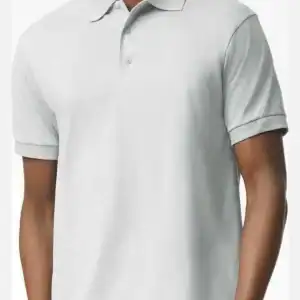
The Gildan DryBlend 8800 embroidered polo is a 50/50 blend polo with moisture-management properties and is positioned for work uniforms and branded apparel. It is a practical candidate for customer-facing technicians, supervisors, and service roles.
Best for: A standardized everyday service polo with embroidered company branding.
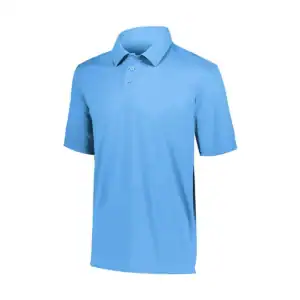
Augusta 5017 Short Sleeve Polo
The Augusta 5017 short-sleeve polo uses polyester wicking knit and gives companies another performance-oriented option for employees who need a polo while remaining active during the workday.
Best for: Active customer-facing employees where moisture management is a higher priority.
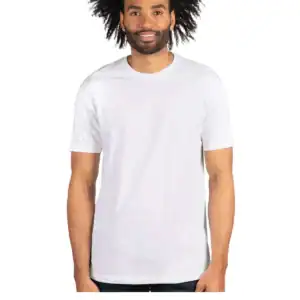
Next Level 3600 Custom Cotton T-Shirt
The Next Level 3600 custom T-shirt provides a smooth cotton print surface for company branding. A printed tee can work well for install crews, shop employees, helpers, events, and other roles where a polo is unnecessary.
Best for: Printed crew shirts and more casual field roles.
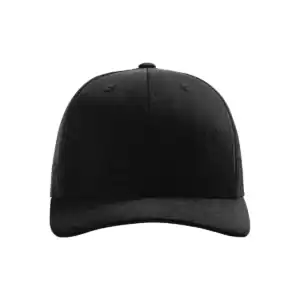
Richardson 112 Trucker Hat
The Richardson 112 custom embroidered trucker hat combines a structured front with a mesh back and adjustable snapback construction. It can add consistent headwear to an HVAC workwear program when hats are appropriate for the employee’s job and workplace requirements.
Best for: Branded field headwear with an embroidered company logo.
-
Augusta Short Sleeve Polo Shirt – Custom Embroidered Polos for Business and Team Uniforms to Pinterest (opens in a new window)
 Price range: $27.95 through $38.95 Select options This product has options that may be chosen on the product page
 -
 Price range: $14.95 through $24.95 Select options This product has options that may be chosen on the product page
 -
Custom Richardson 112 Trucker Hat – Embroidered Logo Snapback Cap | Mesh Back to Pinterest (opens in a new window)
-
Custom Embroidered Polo Shirt – Gildan DryBlend® 50/50 Blend Jersey Polo 8800 to Pinterest (opens in a new window)Price range: $20.95 through $28.95 Select options This product has options that may be chosen on the product page
Planning Uniforms for an HVAC Crew?
If your team needs a mix of technician polos, installer shirts, hats, seasonal layers, employee names, or multiple decoration methods, build the order around employee roles rather than forcing one garment to do everything.
How Many Uniform Shirts Should an HVAC Company Order?
There is no universal shirt count that fits every HVAC company. The right quantity depends on schedule, laundry frequency, season, job role, replacement rate, and how often employees are expected to wear branded apparel.
A useful way to plan is to ask:
- How many days per week is each employee expected to wear company apparel?
- Will employees wash uniforms during the week, or do they need enough garments to cover the entire workweek?
- Do technicians and installers require different shirt types?
- Do you need seasonal garments in addition to the everyday shirt?
- How will new hires and damaged garments be handled?
- Will you keep common replacement sizes on hand or reorder as needed?
Example: A 12-Person HVAC Company
Imagine a company with six service technicians, three installers, one estimator, one service manager, and one owner.
Instead of purchasing one identical shirt for all 12 employees, the company might standardize:
- embroidered polos for technicians, the estimator, manager, and owner;
- printed work T-shirts for installers;
- a branded hat option for field employees;
- one approved cold-weather layer across applicable roles.
The brand remains consistent, but each employee gets apparel that better matches the job.
Sizing Reminder
Do not estimate an entire crew’s sizes from memory. Collect sizes by employee and by garment type before ordering. A person who wears one size in a T-shirt may prefer another size in a polo, jacket, or fitted garment.
For a complete process, use our employee uniform sizing guide.
What Affects the Cost of HVAC Company Uniforms?
Uniform cost is not determined by the blank shirt alone. Important variables include:
- garment brand and style;
- fabric and performance features;
- order quantity;
- decoration method;
- number and size of decoration locations;
- logo complexity;
- individual employee names or personalization;
- extended sizes;
- seasonal garments such as hoodies, jackets, or hats;
- replacement and new-hire ordering over time.
Because those variables differ widely between businesses, an HVAC company should compare the cost of the uniform system, not simply look for the least expensive shirt. Our employee uniform cost guide covers business budgeting in more detail without duplicating those calculations here.
Plan for Washing, Replacement, and Repeat Orders
HVAC work shirts are likely to be washed much more often than occasional promotional apparel. That makes care and replacement part of the purchasing decision.
Before ordering, decide:
- who is responsible for routine washing;
- how employees should care for decorated garments;
- when stained, damaged, or worn uniforms should be replaced;
- who approves replacements;
- where the company records garment style, color, decoration, and employee size;
- how new-hire apparel will be ordered.
See our guide to washing embroidered and printed work shirts for care considerations by decoration type.
Important Safety Note: Uniform Apparel Is Not PPE
A branded polo, T-shirt, hoodie, or hat should never be treated as a substitute for required personal protective equipment or job-specific safety apparel.
HVAC technicians may encounter electrical, chemical, refrigerant, heat, and other workplace hazards. The Bureau of Labor Statistics notes hazards including burns from electrical parts or chemicals and the need for appropriate safety equipment when handling refrigerants. Employers should determine appropriate protective equipment and safety requirements for the actual tasks being performed. If a technician requires specialized protective clothing or other PPE, those requirements should take priority over ordinary branding preferences.
Before decorating specialized workwear, also confirm that the decoration will not interfere with required garment features, labels, visibility, or workplace requirements.
Common HVAC Uniform Ordering Mistakes
1. Giving Every Role the Same Shirt
A polo that works well for an estimator may not be the garment an installation crew wants for a full day of physical work.
2. Choosing by Price Before Work Environment
A lower-cost shirt that employees dislike wearing or that does not fit the role well is not automatically the economical choice.
3. Making the Back Design Too Complicated
A company truck, yard sign, or website can carry a lot of information. A work shirt usually benefits from stronger visual hierarchy. Prioritize the company identity and the most important supporting information.
4. Using Tiny Embroidered Text
Fine lettering that looks clean on a computer screen may not translate cleanly into thread. Simplify where necessary instead of forcing every small detail into embroidery.
5. Ignoring Seasonal Apparel Until the Weather Changes
Plan short sleeves, layers, and replacement garments as one program rather than making unrelated emergency orders throughout the year.
6. Failing to Record the Approved Garments
Document exact garment styles, colors, decoration methods, placements, and employee sizing. Consistency becomes much easier when a new technician starts six months later.
HVAC Uniform Ordering Checklist
Before approving your next HVAC company uniform order, confirm:
- Which employees are service technicians, installers, estimators, supervisors, office staff, or shop staff?
- Which garments are approved for each role?
- What company colors will remain standard?
- Which garments will be embroidered versus printed?
- Where will the logo, employee name, or supporting information appear?
- Has the artwork been reviewed for the selected decoration method?
- Have employee sizes been collected for each garment type?
- Are warm-weather and cold-weather needs covered?
- Is there a plan for new hires and replacements?
- Are the exact garment styles and decoration specifications recorded for future reorders?
Frequently Asked Questions About HVAC Company Uniforms
What are the best shirts for HVAC technicians?
The best shirt depends on the technician’s role and work environment. Customer-facing service technicians often benefit from performance or blended polos, while installation crews may prefer printed work T-shirts with more freedom of movement. Seasonal layers can be added when conditions require them.
Should HVAC technicians wear polos or T-shirts?
Many HVAC companies can use both. Polos work well for customer-facing service technicians, estimators, supervisors, and sales roles. T-shirts can be practical for installers, helpers, warehouse staff, and physically active work. Keeping colors and branding consistent allows both garments to belong to the same uniform program.
Is embroidery or printing better for HVAC uniforms?
Neither method is universally better. Embroidery is a strong option for polos, jackets, and hats where a structured logo presentation is desired. DTF or screen printing can work well for T-shirts, larger back designs, and artwork that needs more print area. The best choice depends on the garment, design, quantity, placement, and intended use.
Where should an HVAC company logo go on a work shirt?
A left-chest logo is a common professional placement for polos and work shirts. Printed crew shirts may also use a larger back design. Employee names can be placed on the opposite chest when useful, while sleeves can carry restrained secondary branding. Placement should be adjusted to the garment and decoration method.
How many uniform shirts should an HVAC employee have?
There is no single correct number. Consider how many days per week the uniform is worn, laundry frequency, employee role, seasonal needs, replacement frequency, and whether the company keeps spare garments. Build quantities around the actual work schedule rather than using an arbitrary package size.
Can HVAC companies use different uniforms for technicians and installers?
Yes. Using different garments by role can make the uniform program more practical without weakening the brand. For example, technicians may wear embroidered polos while installers use printed work T-shirts. Standard colors, logo treatment, and approved garment choices keep the team visually consistent.
Build an HVAC Uniform Program Around the Way Your Team Actually Works
The strongest HVAC company uniforms are not simply matching shirts. They are a repeatable system of service polos, crew shirts, headwear, seasonal layers, consistent branding, accurate sizing, and planned replacements that fit each employee’s role.
Custom 2 Wear works with businesses, contractors, service teams, schools, organizations, and other employers on embroidered and printed apparel. If you are building or updating an HVAC uniform program, we can help match garment choices and decoration to your team and order.