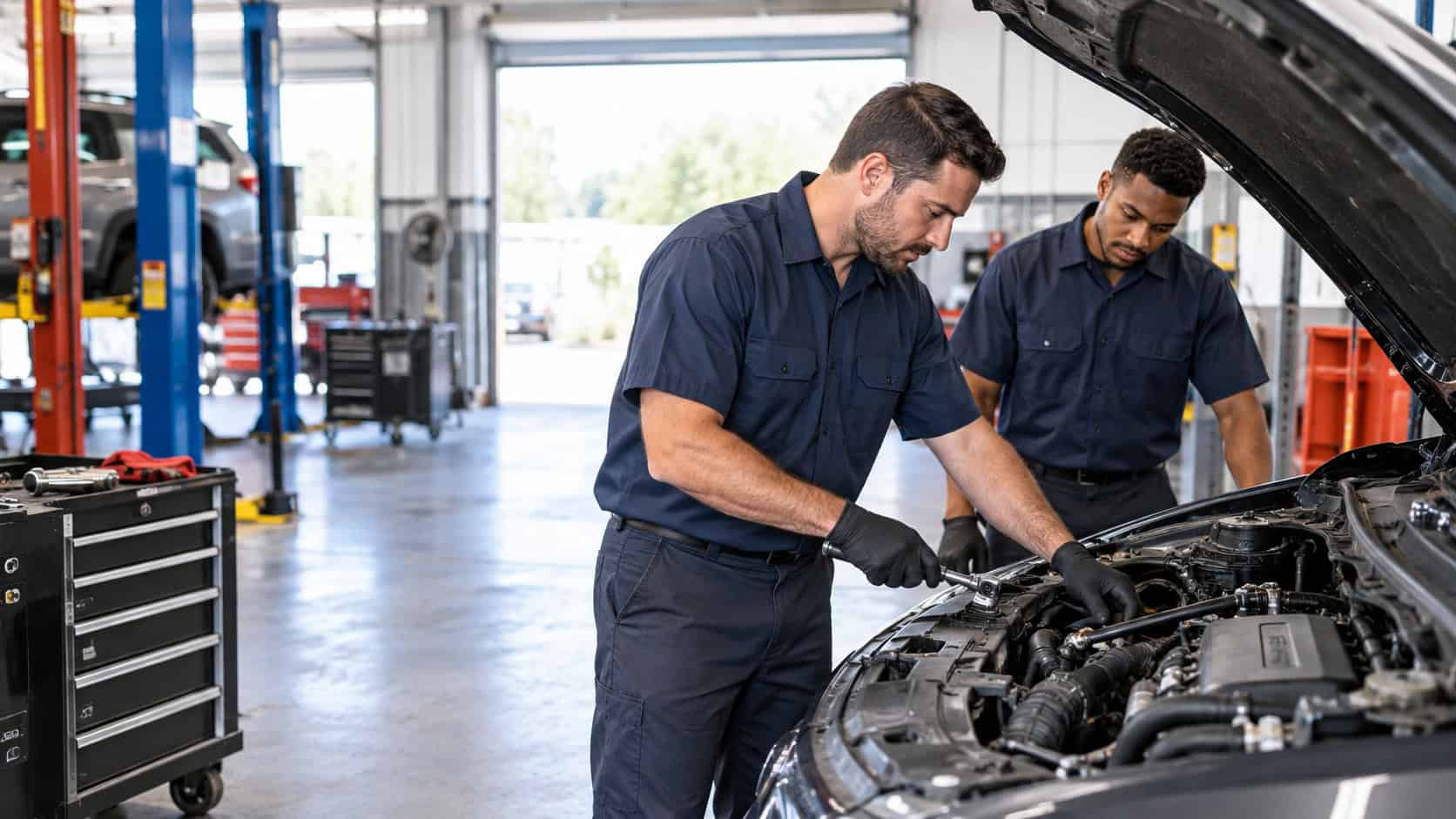
Auto repair shop uniforms need to handle demanding workdays without leaving the team looking mismatched. Technicians work around tools, fluids, lifts, tires, and vehicle components. Service advisors spend more time speaking with customers. Managers may move between the repair bays and the front counter.
The best auto repair shop uniforms account for these different roles while keeping the company’s identity consistent.
For many independent shops, the practical solution is not one shirt for everyone. It is a coordinated mix of industrial-style mechanic work shirts, comfortable branded T-shirts, and professional polos, all using consistent company colors and logo artwork.
This guide explains how to choose those garments, compare decoration methods, plan quantities, and order uniforms that can be maintained and replaced as your automotive team changes.
Quick Answer: What Are the Best Auto Repair Shop Uniforms?
For most independent auto repair businesses, start with industrial-style work shirts for repair technicians, branded T-shirts for appropriate general shop duties, and polos for customer-facing employees.
Choose garments based on actual tasks, laundering requirements, fit, and workplace hazards. Keep the company logo consistent across styles, then plan employee sizing, personalization, and repeat orders before placing the initial order. The goal is a practical uniform system, not simply shirts with matching logos.
What Should Employees Wear at an Auto Repair Shop?
Different automotive jobs place different demands on apparel. A technician completing brake repairs or suspension work may spend much of the day bending, reaching, and working close to equipment. A service advisor needs a neat, approachable appearance while greeting customers and handling estimates. Even within the same business, those employees may benefit from different garments.
Repair-Bay Technicians
Best for: Industrial-style mechanic work shirts or approved practical work T-shirts.
Technicians generally need clothing that allows comfortable movement and can withstand frequent laundering. Consider practical pocket placement, sleeve length, fabric construction, and whether the garment interferes with tools or equipment. Choose a fit that allows movement without unnecessary loose fabric, dangling accessories, or features that create snag hazards.
Service Advisors and Front-Counter Employees
Best for: Custom embroidered or professionally printed polos.
Service advisors, estimators, and reception staff often benefit from a more structured appearance. A polo helps distinguish customer-facing staff from technicians while preserving the overall company color scheme. A discreet left-chest logo is generally sufficient.
Tire, Detailing, and General Shop Staff
Best for: Branded work shirts or T-shirts selected around actual duties.
Tire shops, detailing operations, and general maintenance teams have different levels of physical activity and exposure to dirt or chemicals. A comfortable T-shirt can be practical for appropriate tasks, but it should not be treated as protective clothing. Employees handling hazardous substances or working around machinery may need additional controls or task-specific protective equipment.
Owners, Managers, and Supervisors
Best for: Polos or coordinated work shirts, depending on the role.
A manager who frequently enters the repair bays may prefer the same practical work shirt worn by technicians. Someone who spends most of the day working with customers may prefer a polo. Maintain consistent branding without forcing every employee into an unsuitable garment.
Mechanic Work Shirts vs. Polos vs. T-Shirts: Which Is Best?
Start with the demands of the work, not simply the garment’s appearance. This comparison helps shop owners select apparel around daily responsibilities.
| Garment type | Best for | Main advantage | What to consider |
|---|---|---|---|
| Industrial-style work shirt | Mechanics and shop supervisors | Traditional professional automotive-workwear appearance | Fit, fabric, laundering, pockets and snag hazards |
| Branded cotton T-shirt | Approved casual and general shop work | Familiar fit and straightforward logo printing | Oil exposure, repeated washing and replacement frequency |
| Performance polo | Service advisors, estimators and office staff | Coordinated customer-facing appearance | Heat, decoration care and shop hazard exposure |
| Branded outerwear | Approved outdoor and cooler-weather duties | Maintains branding across seasons | Layering, bulk, fit and work suitability |
When an Industrial Work Shirt Makes Sense
An industrial-style button-front shirt provides the familiar appearance many customers associate with professional repair shops. A suitable shirt should offer comfortable movement, an appropriate fit, and a fabric that can be maintained according to its care instructions.
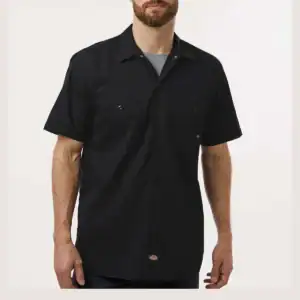
For example, the Custom Dickies S535 Work Shirt is a 4.25 oz. polyester/cotton poplin work shirt currently offered by Custom 2 Wear with printed company-logo customization. Its traditional styling makes it relevant to coordinated technician apparel.
When a Branded T-Shirt Is Enough
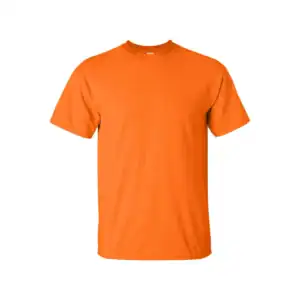
T-shirts may suit general shop work, lighter-duty operations, approved detailing tasks, employee events or casual apparel. Fabric weight alone does not establish job suitability or durability. The Custom Gildan 2000 T-Shirt is one 6 oz. cotton printed-company-apparel option for businesses comparing T-shirts.
When a Polo Is the Better Choice
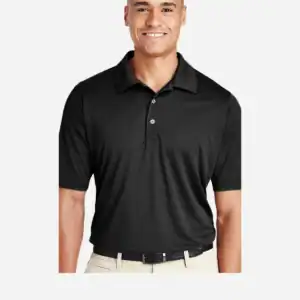
A polo often makes sense for service writers, estimators, front-counter employees, and customer-facing managers. The Custom Team 365 TT51 Performance Polo provides a lightweight polyester option. An automotive business can use the same shop logo on work shirts and polos while selecting a different garment for each department.
Ordering tip: Standardize one main uniform color and one approved alternate color. Consistent colors simplify replacements and keep different garment styles looking coordinated.
Choosing Fabric, Fit, and Color for Auto Repair Shop Uniforms
Material and construction affect how practical a uniform is during daily shop operations.
Polyester/Cotton Work Shirts
Polyester/cotton blends are common in industrial-style work shirts. Depending on the garment, they can offer easy-care characteristics and a familiar woven-shirt structure. Review the manufacturer’s laundering instructions, fit and construction. Do not assume an ordinary blend protects against heat, flames, chemicals or moving machinery.
Cotton T-Shirts
Cotton shirts can provide a familiar feel for approved general workwear. Cotton does not automatically make a garment suitable for every repair-bay task. Chemical, heat, spark and machinery exposure require separate consideration. Review construction and replacement needs rather than choosing solely by fiber content.
Polyester Performance Polos
Performance polos are particularly useful for customer-facing roles where lightweight, coordinated apparel is desirable. They may work for certain nonhazardous duties, but suitability depends on the workplace. A moisture-wicking claim does not make a shirt suitable for welding, hot work or other hazardous operations.
Choosing Practical Shop Colors
Black, charcoal, navy and other neutral colors can be practical for automotive uniform programs. Dark shades may make some stains less conspicuous, but do not prevent contamination or replace proper laundering. Evaluate:
- Contrast between shirt color and company logo
- Heat and outdoor working conditions
- Whether departments should have different approved colors
- Availability of the same color for future orders
- Readability of employee name personalization
Coordinated uniforms do not require identical fabrics or shirt styles.
Safety Comes Before Branding
Auto repair workplaces may involve rotating equipment, chemicals, hot components and sparks. Ordinary custom shirts and polos are not substitutes for required protective equipment. Apparel should follow the employer’s assessment of actual hazards. OSHA explains that PPE must be appropriate to workplace hazards and fit properly. Review OSHA’s personal protective equipment guidance and its nonmandatory hazard-assessment guidelines.
Safety note: Do not select shirts solely because they are marketed as workwear. Check suitability for the task, especially around heat, rotating equipment, chemicals or specialized protective clothing.
Embroidery vs. Printing for Auto Repair Shop Logos
A recognizable shop logo connects employees with the business. The decoration method should suit the garment, artwork and expected wear. There is no universal best method for every automotive uniform.
Embroidery
Embroidery creates a stitched design that may be well suited to professional work shirts, polos and certain hats. It is particularly useful for compact logos with readable lettering and manageable detail.
Best for: Left-chest logos on compatible work shirts and service-advisor polos. Consider stitch density, small lettering, backing, fabric weight and work environment.
DTF and Full-Color Printing
Direct-to-film (DTF) printing can reproduce multicolor artwork and detail that may be harder to represent in stitching. It can suit compatible T-shirts, larger designs and selected garment styles.
Best for: Multicolor logos and printed apparel where the transfer and garment are compatible. Transfers require appropriate application and care; do not assume all prints tolerate identical heat, chemicals or laundering.
Screen Printing
Screen printing can be effective when the same design is repeated across a quantity of compatible garments, particularly coordinated team T-shirts.
Best for: Repeated designs where quantity, artwork and production setup make sense. For more, read embroidery vs. screen printing for business apparel and the DTF printing guide for businesses.
What About Leather Patches?
Leather patches can create a distinctive look on compatible hats and selected apparel, but they are not automatically the best choice for everyday mechanic shirts. Patch thickness, attachment, washing requirements and placement matter. For most repair shops, a straightforward embroidered or printed shirt logo is a practical starting point. Explore Custom 2 Wear’s apparel decoration services to compare methods for your garment and artwork.
Logo Placement and Employee Names on Mechanic Uniforms
A good automotive uniform identifies the business quickly without overwhelming the garment.
Left-Chest Company Logo
A left-chest logo is familiar on industrial work shirts and polos, providing visible branding without a large front design. Check pockets, seams and available decoration areas before approving placement.
Employee Name on the Opposite Chest
Employee names can help make customer interactions more personal. A common arrangement places the shop logo on one chest side and the employee’s first name on the other. Confirm spelling, capitalization, preferred names and whether personalization fits the budget.
Back Logos
A back logo can be useful on printed T-shirts when visibility from a distance matters. It is not essential on every polo or button-front shirt. Consider comfort, fabric performance, and care before selecting large decorations.
Read the C2W guides to custom work shirts with employee names and logo placement on shirts for more detail.
Artwork tip: Prepare one approved master logo and simplified versions where small embroidery areas require them. Keep proportions and brand colors consistent. Review logo file requirements for embroidery and printing before submitting artwork.
Build a Coordinated Uniform Program for Your Shop
A uniform program is easier to manage when garments are assigned by role instead of individual preference alone. Consider this hypothetical twelve-person independent shop:
| Team | Employees | Suggested apparel |
|---|---|---|
| Repair technicians | 7 | Industrial-style work shirts |
| Service advisors | 2 | Branded polos |
| Tire/detailing personnel | 2 | Approved work shirts or T-shirts |
| Shop manager | 1 | Work shirt or polo, based on duties |
How Many Uniforms Should Each Employee Receive?
For a five-day workweek, five shirts per employee can be a planning starting point when daily changes and weekly laundering are expected. It is not a universal rule. More frequent soiling, limited laundry access or different schedules can change the needed quantities.
- Days worked per week and clean-shirt requirements
- Laundry frequency and unexpected soiling
- Availability of spare shirts
- Staffing changes and anticipated new hires
- Seasonal garments and replacement needs
A twelve-person team receiving five shirts each needs 60 shirts before spares. This is an illustrative calculation, not an order minimum. See the uniform quantity planning guide for more scenarios.
Track Sizes and Employee Personalization
Maintain a basic roster identifying employee, department, approved garment, size, color, quantity and exact personalization text. Ask employees to confirm sizes for the selected garment; a medium in one shirt may not fit like a medium in another. The employee uniform sizing guide explains how to reduce avoidable ordering mistakes.
Plan for New Hires and Replacement Shirts
Record garment models, colors, logo artwork, decoration sizes and placements so the shop does not need to redesign uniforms whenever employees join. Where practical, hold unpersonalized garments for expected new hires, then add names as needed. Keep the roster current to prevent outdated names or sizes on reorders.
Current Custom 2 Wear Apparel Options for Automotive Teams
These three current apparel options correspond to common roles in an automotive business; they are not interchangeable safety garments. Check final garment and decoration suitability for each employee’s work.
- For repair technicians: Custom Dickies S535 Work Shirt — traditional industrial-style workwear with a printed company-logo offering.
- For customer-facing staff: Custom Team 365 TT51 Performance Polo — a lightweight professional polo option.
- For appropriate casual shop apparel: Custom Gildan 2000 T-Shirt — a substantial cotton shirt for printed branding.
-
Custom Team 365 TT51 Performance Polo Shirt – Performance Company Polo to Pinterest (opens in a new window)Price range: $19.95 through $30.95 Select options This product has options that may be chosen on the product page
-
 Price range: $11.95 through $18.95 Select options This product has options that may be chosen on the product page
Planning a Mixed Uniform Order?
Instead of choosing one shirt for every employee, identify which garment belongs to each role and develop a consistent logo layout. Discuss mechanic work shirts, front-counter polos and printed team apparel in one coordinated order.
How to Keep Mechanic Uniforms Looking Professional
Repair-shop clothing may encounter grease, oil, dirt and other contaminants. Some staining is cosmetic; chemical contamination may require workplace-specific procedures. A practical care program should address both.
Follow Garment and Decoration Care Instructions
Fabrics, embroidery and printed designs can have different washing and drying requirements. Follow garment labels and applicable decoration-care guidance. Do not assume aggressive heat, solvents or industrial laundering are appropriate. See how to wash embroidered and printed work shirts.
Handle Contaminated Apparel Appropriately
In a workplace evaluation involving metalworking fluids, NIOSH advised changing out of soiled clothing to reduce skin exposure and laundering it separately before reuse. Other hazardous substances can require different handling, cleaning or disposal. Follow the shop’s hazard controls and applicable requirements. See the NIOSH workplace evaluation and clothing recommendations.
Create a Replacement Standard
Replace shirts when they become unsuitable for continued use, including:
- Torn or damaged material affecting suitability
- Unreadable employee names or badly damaged identification
- Contamination that approved cleaning cannot adequately address
- Fit changes that interfere with safe, comfortable work
- Damaged decoration that disrupts the uniform appearance
A defined replacement standard helps keep uniforms functional and presentable without arbitrary deadlines.
Auto Repair Shop Uniform Ordering Checklist
Before approving an order:
- Identify employees’ roles and clothing requirements.
- Review hazards and task-specific protective equipment.
- Select approved work shirts, polos or T-shirts.
- Choose company colors available across the garments.
- Confirm logos, decoration methods and placement.
- Decide whether employee names are needed.
- Collect and verify sizes.
- Calculate quantities based on schedules and laundry needs.
- Plan spare garments, new hires and replacements.
- Review artwork and personalization proofs when available.
- Confirm total cost and expected delivery before approval.
- Retain approved specifications for reorders.
Documenting these decisions before the first order makes the program easier to maintain.
Frequently Asked Questions About Auto Repair Shop Uniforms
What are the best shirts for auto mechanics?
Industrial-style work shirts are a practical starting point for many repair technicians because they offer a traditional automotive-workwear appearance. Approved T-shirts may suit other general shop duties. The best choice depends on fit, work tasks, laundering needs, and workplace hazards. Ordinary custom shirts are not substitutes for required protective clothing.
Should auto repair shop logos be embroidered or printed?
Embroidery is often useful for compact logos on work shirts and polos. Printing can be a good fit for multicolor artwork, T-shirts, and larger designs. The best method depends on the fabric, logo detail, placement, quantity, and expected care requirements.
How many uniform shirts should a mechanic have?
For an employee working five days per week, five shirts can be a useful starting point when a clean shirt is needed daily and weekly laundering is practical. Additional shirts may be appropriate when uniforms become heavily soiled, laundry access is limited, or spare clothing is needed.
Can an auto repair shop order different shirts for technicians and service advisors?
Yes. A coordinated uniform program can use industrial-style shirts for technicians and polos for customer-facing employees. Keeping the company logo, approved colors, and decoration placement consistent helps the different styles look like part of one team.
Can mechanic work shirts include employee names?
Yes, depending on the garment and available decoration options. Employee names are often placed opposite the company logo on the chest. Confirm spelling, lettering size, pocket placement, and customization details before ordering, especially if the shop expects frequent employee changes.
Build an Auto Repair Shop Uniform Program That Is Easy to Maintain
The best auto repair shop uniforms solve everyday problems. Technicians need apparel appropriate for their work. Service advisors need a professional, recognizable appearance. Owners need consistent branding, dependable size records and a straightforward way to replace shirts or add employees.
Start with employee roles, choose suitable garments, standardize logo artwork and plan quantities around work schedules. Custom 2 Wear helps businesses coordinate branded workwear, polos and printed apparel across different team responsibilities.
Ready to Outfit Your Automotive Team?
Discuss garment options, logo decoration, quantities and a coordinated uniform order for your shop.