

Ordering branded uniforms gets expensive when a business guesses at quantities. Too few shirts can leave employees without a clean uniform between shifts. Too many can leave boxes of decorated apparel sitting unused because sizes changed, employees left, or the company ordered more inventory than it could realistically use.
So, how many uniforms per employee should a business order? For most companies, the right answer depends on how often the uniform is worn, how frequently employees can wash it, how dirty the job gets, and how quickly the company can handle replacements and new hires.
A customer-facing employee who wears a polo twice a week may need only two or three. A service technician wearing a company shirt five days a week may need a larger rotation. The goal is not to choose one arbitrary number for everyone. It is to build a practical uniform allowance for each role.
Quick Answer: How Many Uniforms Per Employee?
A practical starting point is usually 2–5 uniform tops per employee, depending on how often the uniform is required.
- 1–2 pieces: occasional wear, events, meetings, or part-time use
- 2–3 pieces: uniforms worn a few shifts each week
- 3–5 pieces: regular employee uniforms with routine laundry rotation
- 5+ pieces: daily-wear roles, dirty work environments, limited laundry opportunities, or operations where employees frequently need a clean replacement
Treat these as planning ranges rather than fixed rules. Shift schedules, laundering, employee turnover, seasonal layers, and the work environment should determine the final quantity.
How Many Uniforms Per Employee Do You Actually Need?
Start with the employee’s real workweek rather than the total number of employees on payroll.
An employee scheduled one shift each week has a very different uniform requirement from a field technician working five or six days. Likewise, a front-office employee who alternates between company polos and other approved clothing may not need the same number of pieces as a restaurant employee, installer, landscaper, or cleaning technician.
| Employee Use | Starting Quantity | Why |
|---|---|---|
| Events or occasional branded-apparel days | 1–2 tops | The garment is not part of the employee’s daily work rotation. |
| Part-time or 2–3 uniform days per week | 2–3 tops | Provides basic rotation without carrying excessive inventory. |
| Regular full-time uniform wear | 3–5 tops | Allows several clean options while previously worn garments are being laundered. |
| Dirty, wet, physical, food-service, or field work | 4–5+ tops | Employees may soil uniforms faster or occasionally need a replacement during the workday. |
Best for: Use this range to establish an initial allowance, then adjust it by department rather than giving every employee the same package.
Use the Work Schedule to Set the Base Quantity
A simple quantity calculation begins with how many days per week the employee is expected to wear company apparel.
If uniforms are required Monday through Friday, issuing only one or two shirts means those garments must be washed constantly. Five shirts give the employee one option for each workday, but five is not automatically necessary if the employee has a shorter schedule, works remotely part of the week, or rotates company shirts with other approved apparel.
A useful planning formula is:
Employees × uniform pieces per employee = base garment quantity
For example, a 20-person service company issuing four work shirts per employee starts with:
20 employees × 4 shirts = 80 employee-issued shirts
That is only the base order. The company should then consider sizing contingencies, new hires, replacements, seasonal items, and whether spare inventory makes sense.
Do Not Use the Same Allowance for Every Job Role
A uniform program works better when garment quantities reflect what employees actually do.
Office and Customer-Facing Staff
Receptionists, estimators, sales employees, managers, and office teams often need polished apparel but may not wear the same garment every day. Two or three embroidered polos per person can sometimes provide enough rotation when the company dress code includes additional approved options.
For businesses building a professional polo program, the Custom Embroidered Polo Shirt – Gildan DryBlend 8800 is one current C2W option designed for branded uniforms and everyday business apparel.
Best for: Customer-facing employees who need a consistent company look without requiring a five-shirt field-work rotation.
Service Technicians and Contractors
HVAC technicians, plumbers, electricians, installers, landscapers, maintenance workers, cleaning crews, delivery employees, and similar field roles often need more shirts because uniforms are worn frequently and may be exposed to sweat, dirt, grease, weather, or physical work.
A company with daily-wear field uniforms may find that four or five shirts per employee is more practical than two. The important question is not simply how many shifts the employee works. Ask how often a shirt can realistically be worn before it needs laundering.
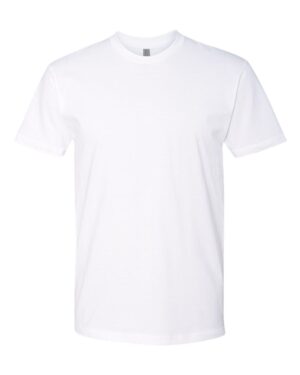
A printed company tee such as the current Custom Cotton T-Shirt – Next Level 3600 can fit roles where a lightweight branded shirt makes sense as part of the regular uniform rotation.
Restaurants, Cleaning Teams, and Other High-Soil Roles
Some work environments make clean backup garments more important. Restaurant employees may deal with food spills. Cleaning technicians may encounter chemicals, water, dust, or soil. Auto and maintenance teams may deal with grease and equipment.
For these jobs, ordering based only on scheduled days can underestimate the real need. A spare garment at the workplace or an additional shirt in the employee’s issued set may be more useful than trying to operate with the minimum possible quantity.
Factor Laundry Frequency Into the Order
Laundry is one of the biggest reasons two businesses with the same headcount may need different uniform quantities.
Consider two employees who both work five days per week:
- Employee A washes work clothes several times during the week.
- Employee B normally does laundry once per week.
The second employee needs a larger wardrobe rotation to make it through the week without repeatedly wearing the same garment.
This is also why a uniform program should clearly establish who is responsible for cleaning garments and what condition employees are expected to maintain. C2W’s employee uniform policy guide can help businesses establish those expectations before placing a larger apparel order.
Ordering Tip
Do not ask only, “How many shirts does each employee want?” Establish a standard issue by role first. Then make exceptions when schedules or job conditions justify them. This keeps purchasing more consistent and makes future reorders easier to manage.
Add Spares Without Building a Warehouse of Unused Sizes
Businesses often need some backup inventory, but ordering a large number of every size can create waste.
Spare stock is most useful for predictable needs:
- new employees who need apparel before the next large order
- damaged or permanently stained garments
- employees whose size changes
- temporary or seasonal staff
- unexpected increases in headcount
- replacement garments for frequently used sizes
Instead of automatically adding the same percentage to every size, review your actual employee size distribution. If 18 employees wear large and only one wears 3XL, equal quantities of spare larges and 3XLs probably do not make sense.
C2W’s employee uniform sizing guide covers how to collect sizes before an order so the initial quantity is built around real employees instead of generic size assumptions.
Plan New-Hire Inventory Separately
Growing companies should distinguish between employee-issued inventory and new-hire inventory.
Suppose a company has 30 technicians and provides four shirts to each employee. That means 120 shirts are assigned to current employees. If the company expects to hire another five technicians over the next few months, it may make sense to keep a limited reserve in the most commonly used sizes rather than treating those garments as part of the 120-shirt employee allocation.
This creates a clearer purchasing model:
- Current employee allocation
- New-hire reserve
- Replacement stock
- Seasonal or specialty garments
Separating these categories also makes it easier to understand what the company actually spends on uniforms per employee. For broader budgeting decisions, see C2W’s employee uniform cost guide for small businesses.
Outerwear Does Not Need the Same Quantity as Work Shirts
Uniform quantity planning changes by garment type.
A company might issue four everyday shirts but only one hoodie or jacket. Outer layers usually do not require the same daily rotation as garments worn directly against the body.
| Garment | Typical Planning Approach | Main Question |
|---|---|---|
| T-shirts / work shirts | Multiple-piece rotation | How many shifts before laundry? |
| Polos | Multiple pieces based on dress schedule | Is the polo worn daily or only for customer-facing work? |
| Hoodies / sweatshirts | Often fewer than base-layer shirts | How often does the employee need a warm layer? |
| Jackets | Often one primary outer layer | Is it seasonal, weather-specific, or required daily? |
| Hats / beanies | Usually limited issue plus replacements | Is headwear required, optional, or seasonal? |
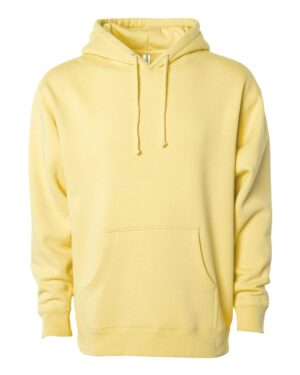
For cooler-weather programs, the current Custom Heavyweight Hoodie – Independent Trading Co. IND4000 is one example of a branded outer layer that could be issued separately from an employee’s everyday shirt allowance.
Businesses building a seasonal system should also review C2W’s cold-weather work uniform guide rather than simply multiplying the daily shirt quantity across every garment type.
Keep Safety Apparel Separate From General Uniform Math
Some garments are selected for more than branding. High-visibility clothing, protective apparel, and other job-specific equipment may be tied to workplace hazards or safety requirements.
Those garments should not be reduced to a generic “three shirts per employee” formula. Employers should determine required protective equipment based on the work being performed and applicable safety requirements.
For cold outdoor work, OSHA identifies wetness or dampness and improper clothing as cold-stress risk factors and recommends appropriate clothing for cold, wet, and windy conditions. A business operating in those environments may therefore need access to clean, dry replacement layers rather than simply issuing the smallest possible apparel allowance. OSHA’s Cold Stress Guide provides additional guidance.
Decoration Method Can Affect How You Build the Uniform Package
The number of garments is only one part of the order. The decoration needs to fit how each garment will be used.
Embroidery is commonly suited to polished logo applications on polos, jackets, quarter-zips, hats, and many workwear styles.
DTF or other full-color printing can make sense for detailed artwork or designs that need more color flexibility, depending on the garment and artwork.
Screen printing can be a strong option for quantities of T-shirts and work shirts, especially where a larger printed design is appropriate.
There is no reason every item in an employee package must use the same decoration process. A business might use embroidered polos for customer meetings, printed tees for field work, and embroidered outerwear for cooler weather.
Review C2W’s custom apparel decoration services when deciding which process fits each garment and logo.
Three Current Uniform Basics to Consider
The correct garment depends on employee role, work environment, decoration, and company appearance standards. These current C2W products illustrate three different pieces that can fit into a business uniform program:
-
-
Custom Embroidered Polo Shirt – Gildan DryBlend® 50/50 Blend Jersey Polo 8800 to Pinterest (opens in a new window)
-
Custom Embroidered Sweatshirts & Hoodies
$50.95 Select options This product has options that may be chosen on the product page
A uniform package does not need to include all three. The objective is to choose a small group of repeatable garments employees can actually use and the company can reorder consistently.
Planning a Uniform Order for an Entire Team?
Before requesting pricing, organize your employee count, size breakdown, garments per person, decoration needs, and any new-hire or replacement stock you want included.
How to Calculate Your Initial Uniform Order
A simple process works better than guessing:
- Group employees by role. Separate field crews, office staff, managers, restaurant staff, event teams, or other groups with different apparel requirements.
- Count required uniform days per week. Base quantities on actual scheduled wear.
- Decide how often garments can realistically be laundered. More time between washes generally requires a larger rotation.
- Account for how dirty the job gets. Physical or high-soil work may justify backup garments.
- Collect employee sizes. Use real size data before placing decorated-apparel orders.
- Separate daily shirts from seasonal layers. Jackets and hoodies rarely need the same quantity as T-shirts or polos.
- Add deliberate spare inventory. Plan for new hires and replacements instead of randomly padding every size.
- Document the garment specifications. Keep the style, color, logo placement, decoration method, and other details consistent for future reorders.
Expert Recommendation
Build the smallest uniform system that comfortably supports the employee’s real workweek—not the smallest order you can get away with. A repeatable three- or four-shirt program that fits the work schedule is usually more useful than one shirt that must constantly be washed or seven shirts that never leave the employee’s drawer.
Plan for Reorders Before the First Order Arrives
A good uniform program should be easy to repeat six months or a year later.
Keep a record of:
- garment brand and style
- approved garment colors
- employee size
- logo artwork used
- logo placement
- decoration method
- department or role variations
- initial quantity issued
- replacement history
This information helps purchasing managers see which garments employees actually use and which sizes or styles require the most replacements.
It also prevents a common uniform problem: every new order looking slightly different because the business cannot remember what was ordered previously.
C2W’s broader small-business uniform program guide covers how to standardize approved apparel and manage the program beyond the initial order.
Do Not Ignore Garment Care When Setting Quantities
A garment that is washed incorrectly can leave the uniform rotation sooner than expected. Printed and embroidered apparel should be cared for according to the garment and decoration instructions rather than treated like disposable work clothing.
If uniforms are exposed to sweat, dirt, sunscreen, grease, or frequent washing, review the C2W guide to washing embroidered and printed work shirts with the employees who will be responsible for laundering them.
Frequently Asked Questions
How many uniforms should a full-time employee have?
There is no universal number, but three to five uniform tops is a practical planning range for many employees who wear company apparel regularly. Employees who wear uniforms only occasionally may need fewer, while workers in dirty, wet, physical, or daily-wear roles may need additional pieces.
Is two uniform shirts enough for an employee?
Two shirts can work for part-time employees or workers who only wear branded apparel on selected days. For someone required to wear a company shirt every workday, two can create a difficult laundry schedule and leave little backup if a garment becomes dirty or damaged.
Should every employee receive the same number of uniforms?
No. It is usually better to establish quantities by role. An office employee, field technician, restaurant worker, manager, and seasonal event employee may all have different uniform schedules and laundering needs.
How many extra uniforms should a company keep?
Keep enough spare inventory to support predictable new hires and replacements without over-ordering every size. Review the company’s common employee sizes, turnover, hiring plans, and reorder process rather than applying the same spare quantity to every size.
Do jackets and hoodies count toward the employee’s uniform quantity?
They are part of the uniform program but should usually be planned separately from everyday tops. An employee might receive several shirts for weekly rotation but only one hoodie or jacket for seasonal use.
Should we order extra uniforms for new hires?
Growing businesses can benefit from maintaining a limited new-hire reserve in commonly used sizes. Keep that inventory separate from garments already assigned to current employees so you can see how much stock is truly available.
Build a Uniform Quantity Around the Job, Not an Arbitrary Number
The right answer to how many uniforms per employee is not the same for every business. Start with work schedule and laundering frequency, then adjust for job conditions, employee size distribution, seasonal layers, new hires, replacements, and safety requirements.
A small office may run efficiently with two or three polos per employee. A full-time service crew may need a larger rotation. Outerwear may be issued one piece at a time rather than multiplied across the entire workweek.
The important part is having a defined system. Once the company knows which garments employees receive, how many each role needs, and how replacements will be handled, uniform purchasing becomes much easier to budget and repeat.
Need Help Building the Right Apparel Package?
Custom 2 Wear can help you compare garments, decoration options, quantities, sizing needs, and seasonal pieces for your business or organization.