At Custom 2 Wear, we offer a range of high-quality garment decoration methods to fit your needs. Embroidery involves stitching your design directly onto apparel for a classic, professional look—perfect for polos, hats, and uniforms. DTF (Direct to Film) printing uses heat and adhesive to transfer vibrant, full-color images onto various fabrics, great for detailed artwork and small runs. DTG (Direct to Garment) printing applies ink directly into the fabric, delivering a soft feel and photo-quality prints—ideal for cotton t-shirts. Screen Printing is a durable method using layered ink, best for bulk orders with bold, simple designs. Each method offers unique advantages—let us help you choose the right one for your project.

Pick Your Items
1

Upload Artwork
2

Order Online
3

Art Mock Approval
4

Production
5

Shipping
6
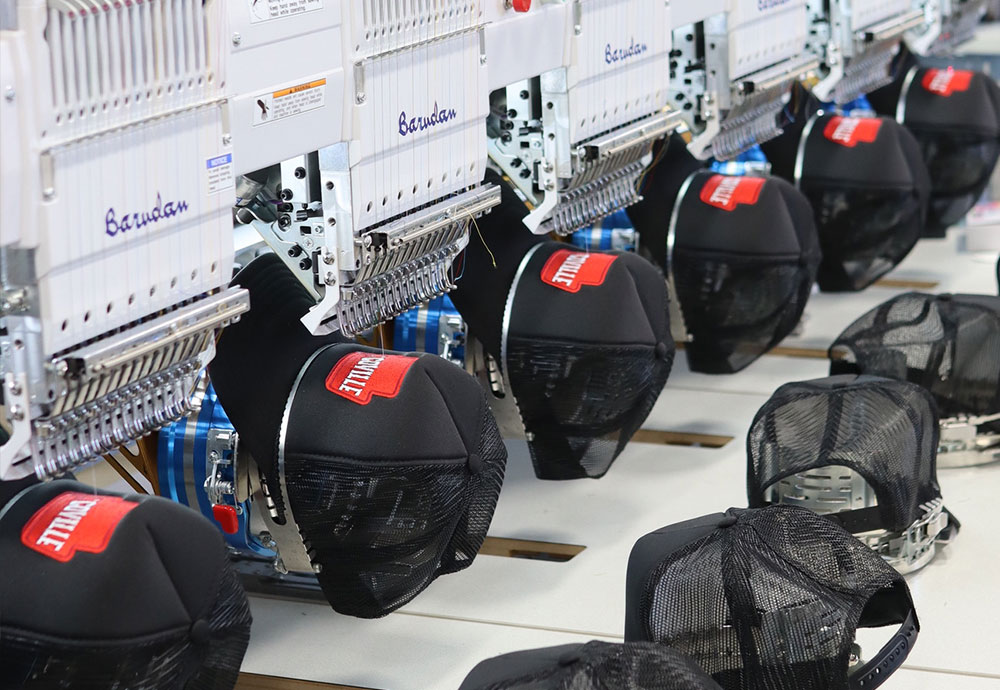
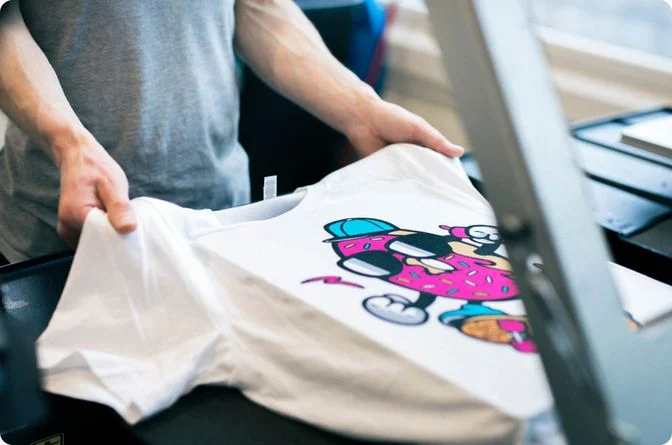
Embroidery is a craft where decorative designs are created on fabrics using a needle and thread or yarn. It’s a versatile art form used to enhance clothing, accessories, and home décor. Embroidery can involve various stitches, techniques, and materials like beads and sequins, allowing for a wide range of creative possibilities.
DTF (Direct to Film) and DTG (Direct to Garment) are two popular digital printing methods used for custom apparel and accessories. DTG involves printing directly onto the garment, while DTF involves printing onto a film that is then transferred to the garment. DTG is often preferred for its print quality and soft feel on natural fabrics like cotton, while DTF offers versatility across different materials and vibrant, long-lasting prints, especially on synthetic fabrics.
Screen printing, also known as silk screening or silkscreen printing, is the process of transferring a stencilled design onto a surface using a mesh screen, ink, and a squeegee (a rubber blade). The basic process of screen printing involves creating a stencil on a mesh screen and then pushing the ink to create and imprint the design on the below surface. The most common surface used in screen printing is paper and fabric, but metal, wood, and plastic can also be used. It is a very popular technique because of many reasons, but the most compelling reason is the vast choice of colours that can be used.